
Chelsea are having an up-and-down season, currently sitting in fourth place and eight points behind league leaders Arsenal.
The Blues have dealt with injuries and bad results, but one of the main bright spots this season has been Enzo Fernández.
With Cole Palmer missing most of the season due to injury, Fernández has been thrust into more of an attacking role.
He’s typically played as more of a hybrid eight who can play as a 10, but, in reality, is the all-around, do-it-all midfielder that Chelsea relies on week in and week out.
Fernández came to Stamford Bridge with a huge price tag of €121m from Benfica in January of 2023, but is now a clear leader in the team.
In this Enzo Fernández scout report, we will take a look at Enzo Fernández’s role in build-up for Chelsea, his role in the final third, how his role changes when Cole Palmer is in or out of the team, and some of the data behind his success this season.
Enzo Fernández In Build-Up
Before we talk about Fernández’s role for Chelsea in the build-up, we need to discuss the different structures Enzo Maresca has used.
Throughout last season, Marseca stuck to a very rigid 3-2-5 system, where Chelsea would try to create a five-man overload in the middle of the pitch to play through opponents.
It wasn’t really successful; most teams sat in a low block against the Blues, and they really struggled to break them down.
This season, Maresca has favoured a more 3-1-6 build-up to overload the last line of defence and help Chelsea be more effective at breaking down low blocks.

This is where Fernández comes in and why he’s so important to Chelsea’s build-up.
No matter if he is playing as a number 10 or a number eight, Fernández will always drop deep to help aid in the build-up.
Early on against Arsenal is a good example of that.
In this match, he started as the number 10 with Reece James and Moisés Caicedo as the double pivot behind him.
You can see him dropping almost into the back line numerous times to try and create an overload and pull Martín Zubimendi with him.
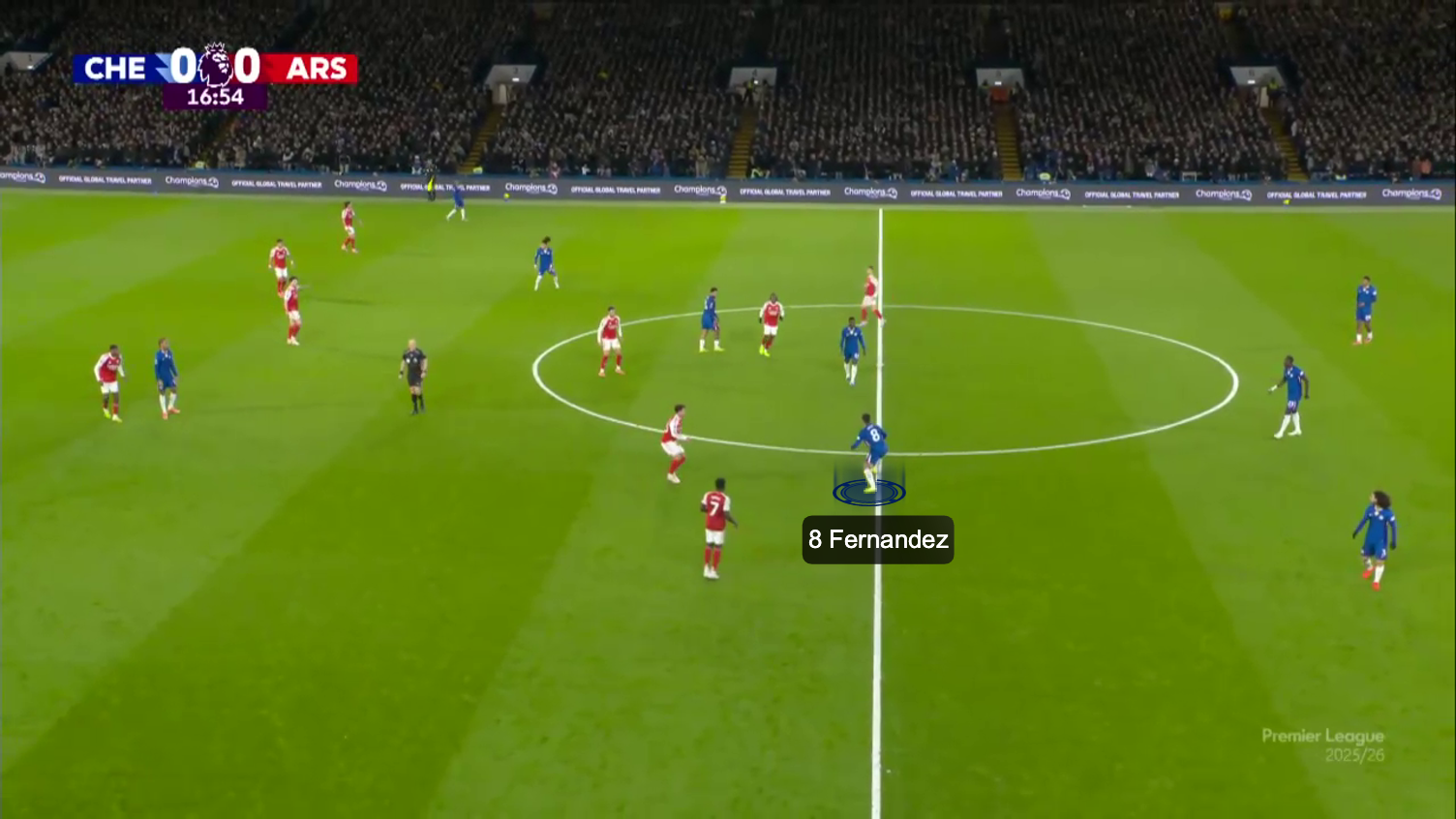
In addition to that, he’s not typically looking to push up to the last line of defence and is always trying to find that pocket of space in the final third.
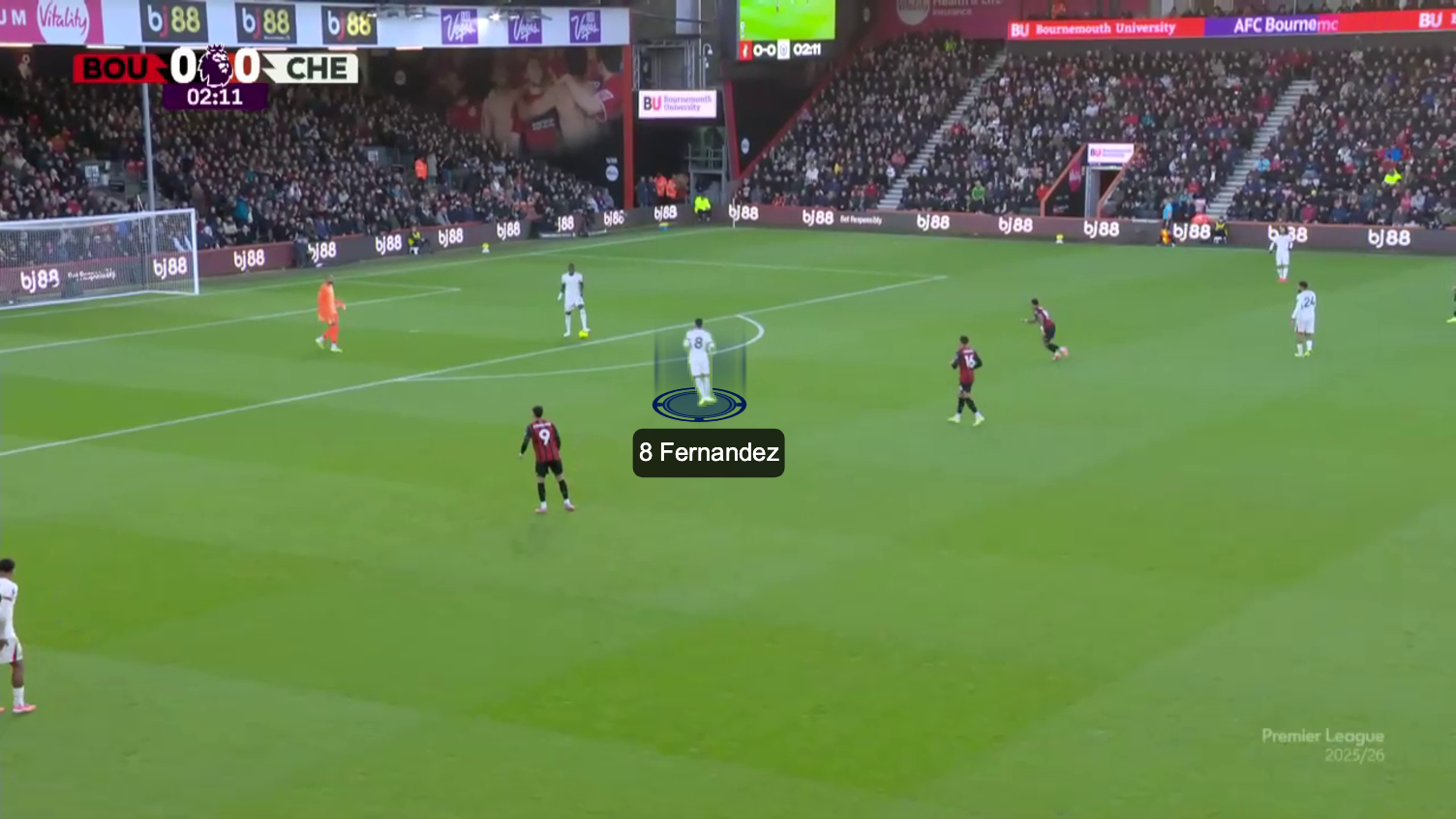
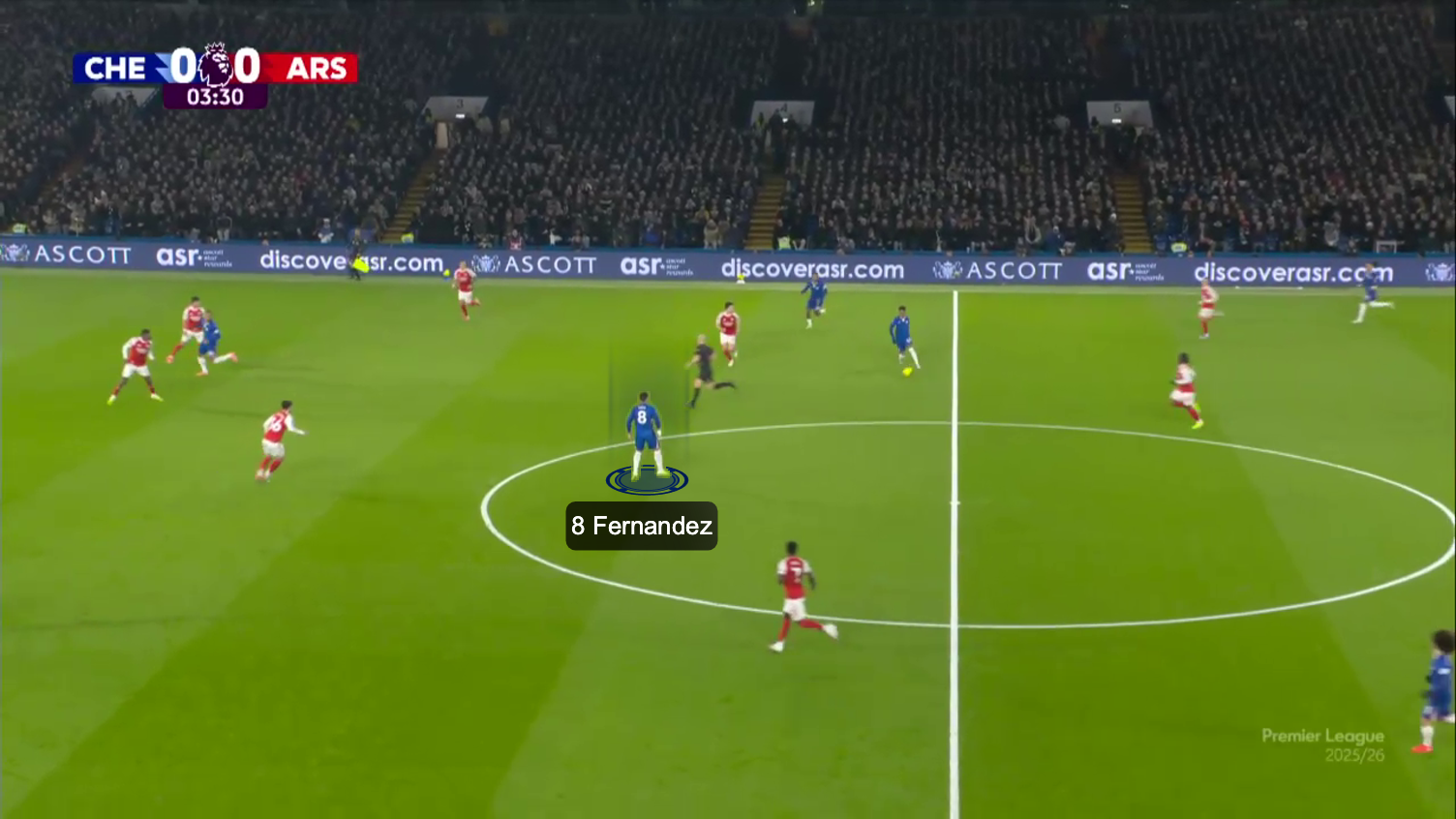 Even in deep build up Fernández will often drop really deep to help Chelsea play out of the back.
Caicedo and James are not as good under pressure as Fernández, so having him really helps against good-pressing teams, as seen here against Bournemouth.
Enzo Fernández In The Final Third
The main role of Enzo Fernández in the final third is to be the main creator in the centre of the pitch for the Blues.
Because he is often the one dropping deep, he looks to play other teammates into the box and unlock the opposition’s low block.
Here is an example against Benfica where he drops into the 18-yard box to receive the ball and plays a lovely flick over the top to Estêvão.
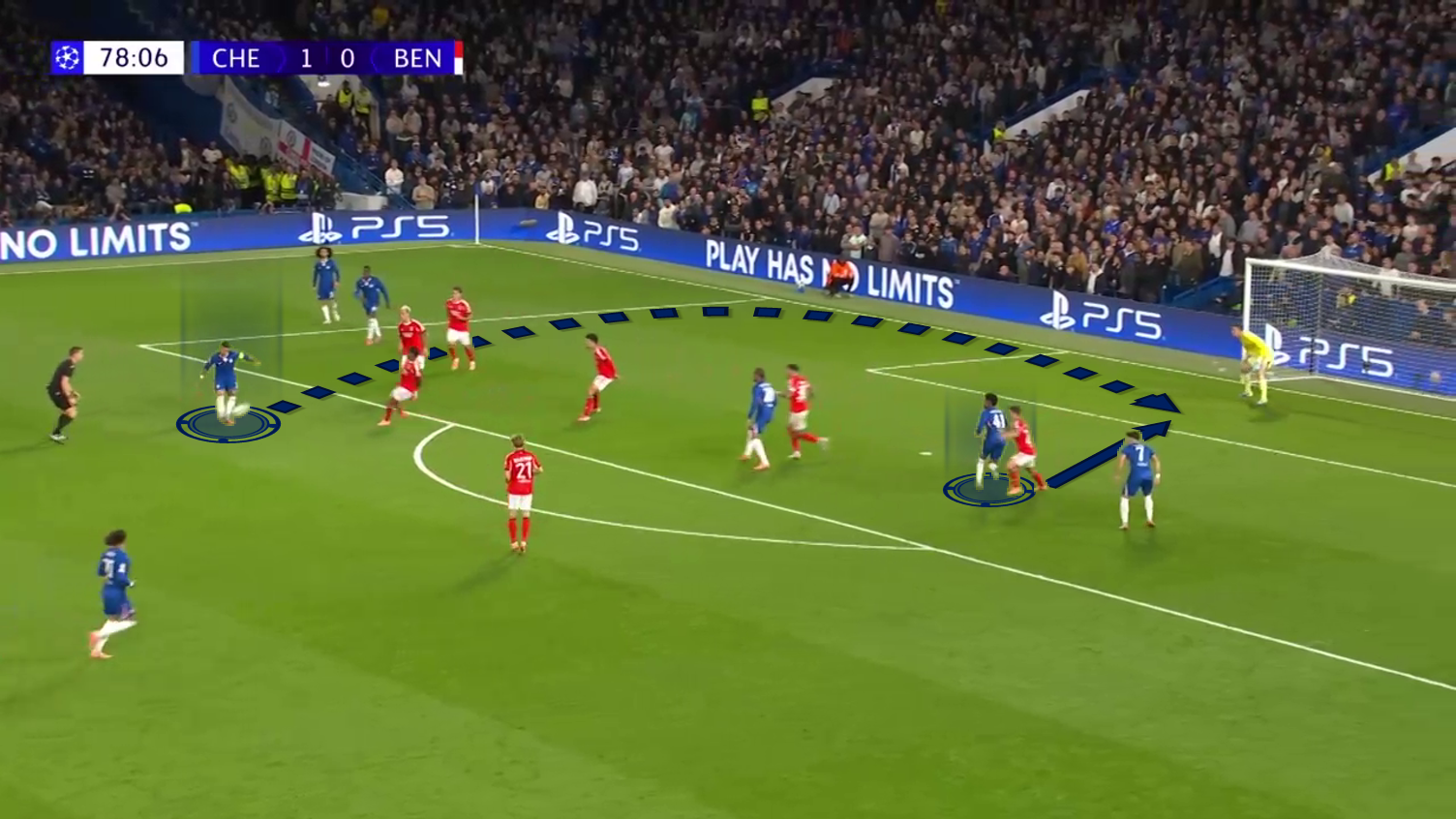
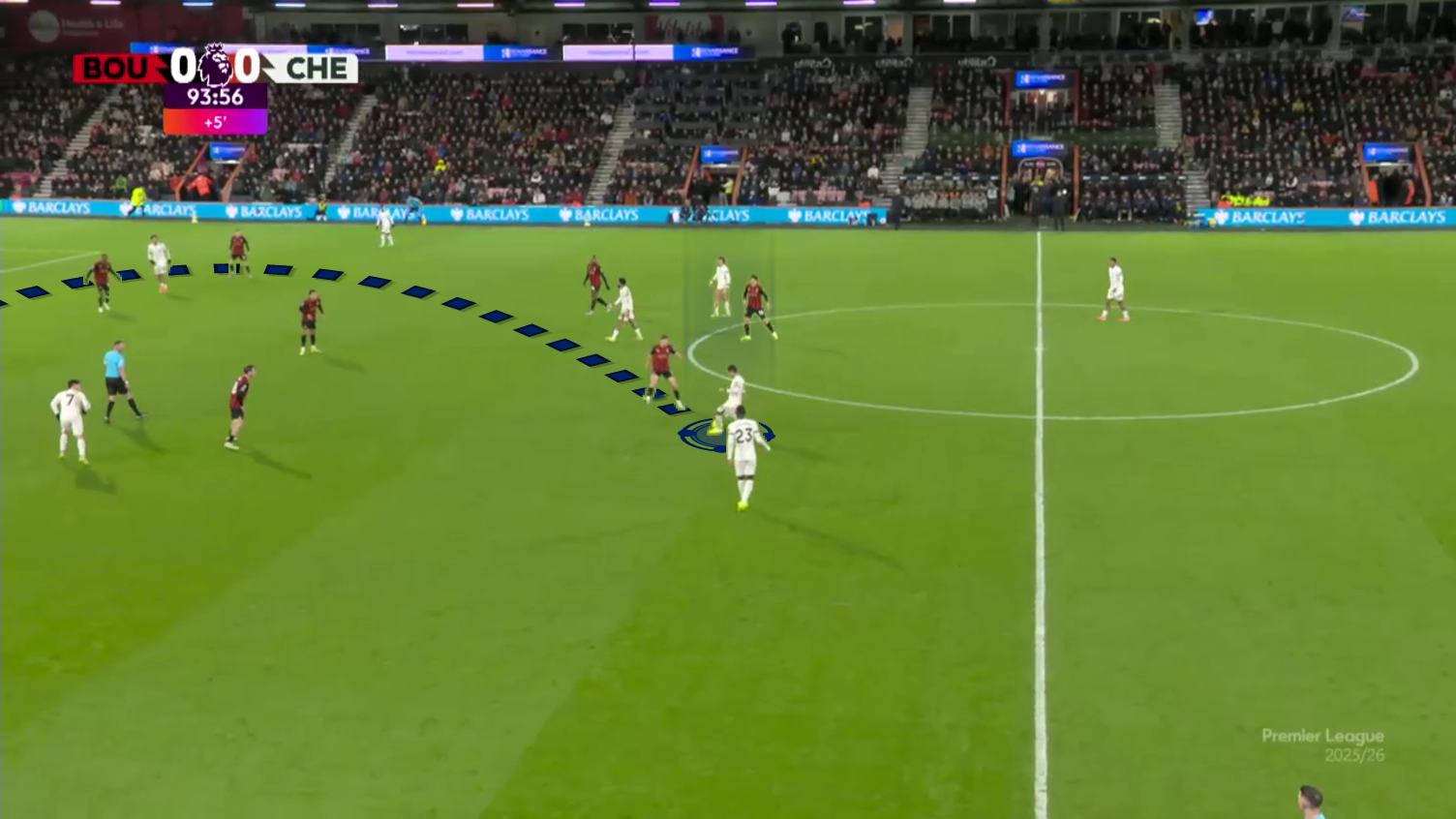
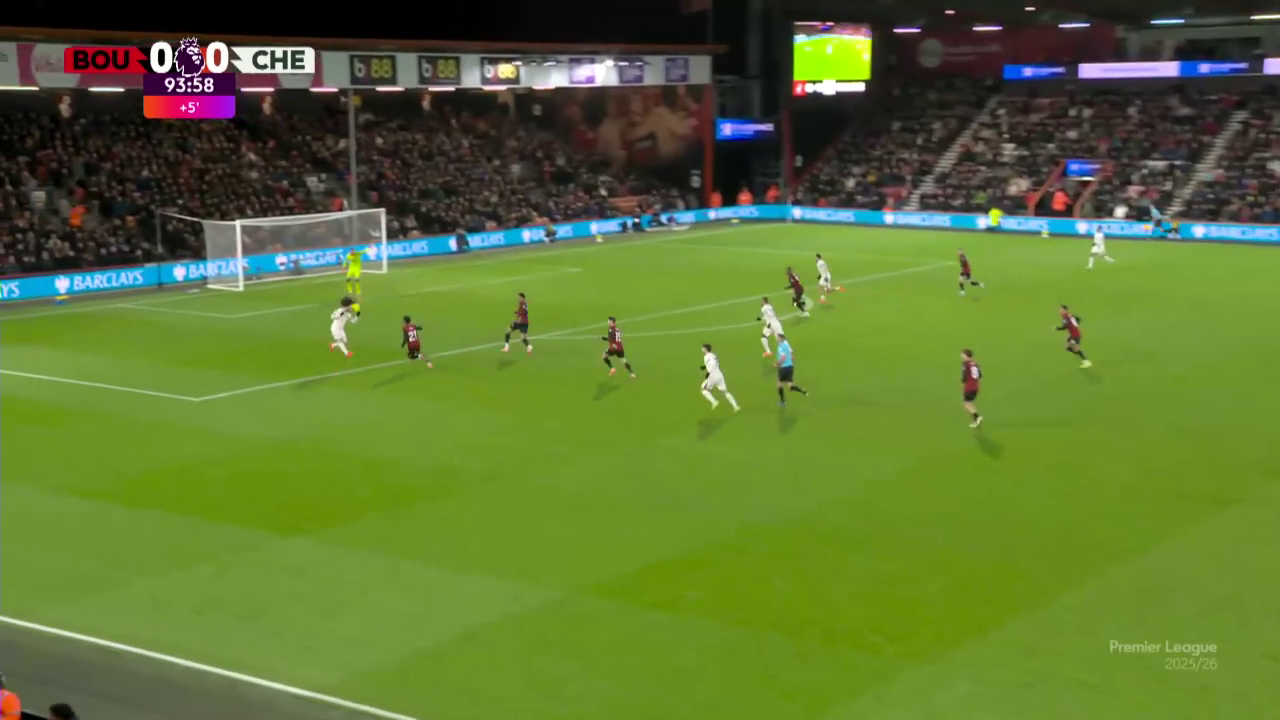
He also has the passing range to play balls over the top of the last line of defence, which is a real key to unlocking low blocks.
You can see here against Bournemouth that he drops into a deep role just inside the halfway line and spots Marc Cucurella making a run in behind, hitting in stride.
That is not all he does, though.
Because Chelsea have players like Cole Palmer and João Pedro who love to drop in and get on the ball, he is also looking to get into the box to score.
Here you can see Pedro drop into the 10 role, Fernández push up to the last line of defence, and get on the end of a cross for a goal.
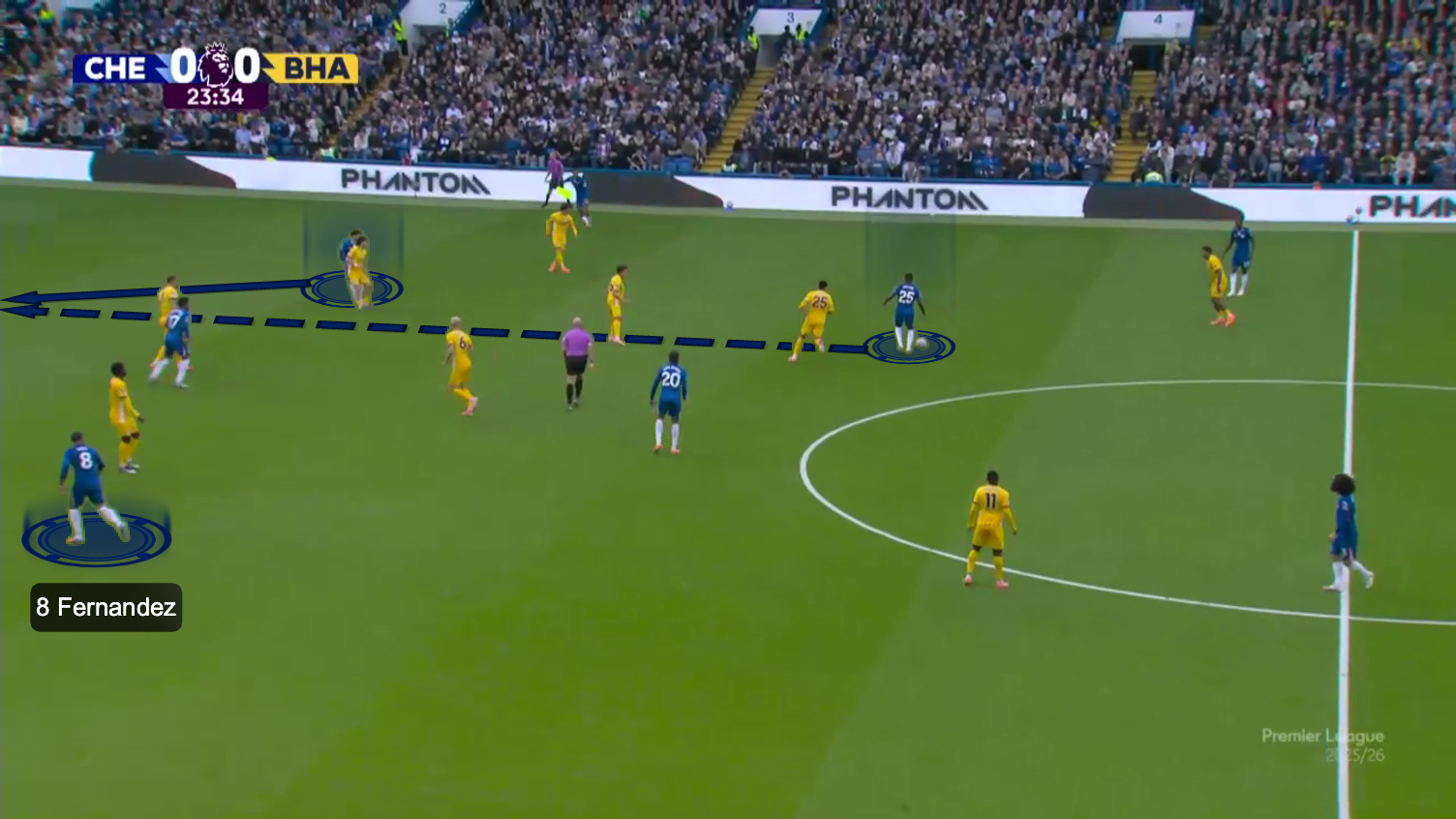
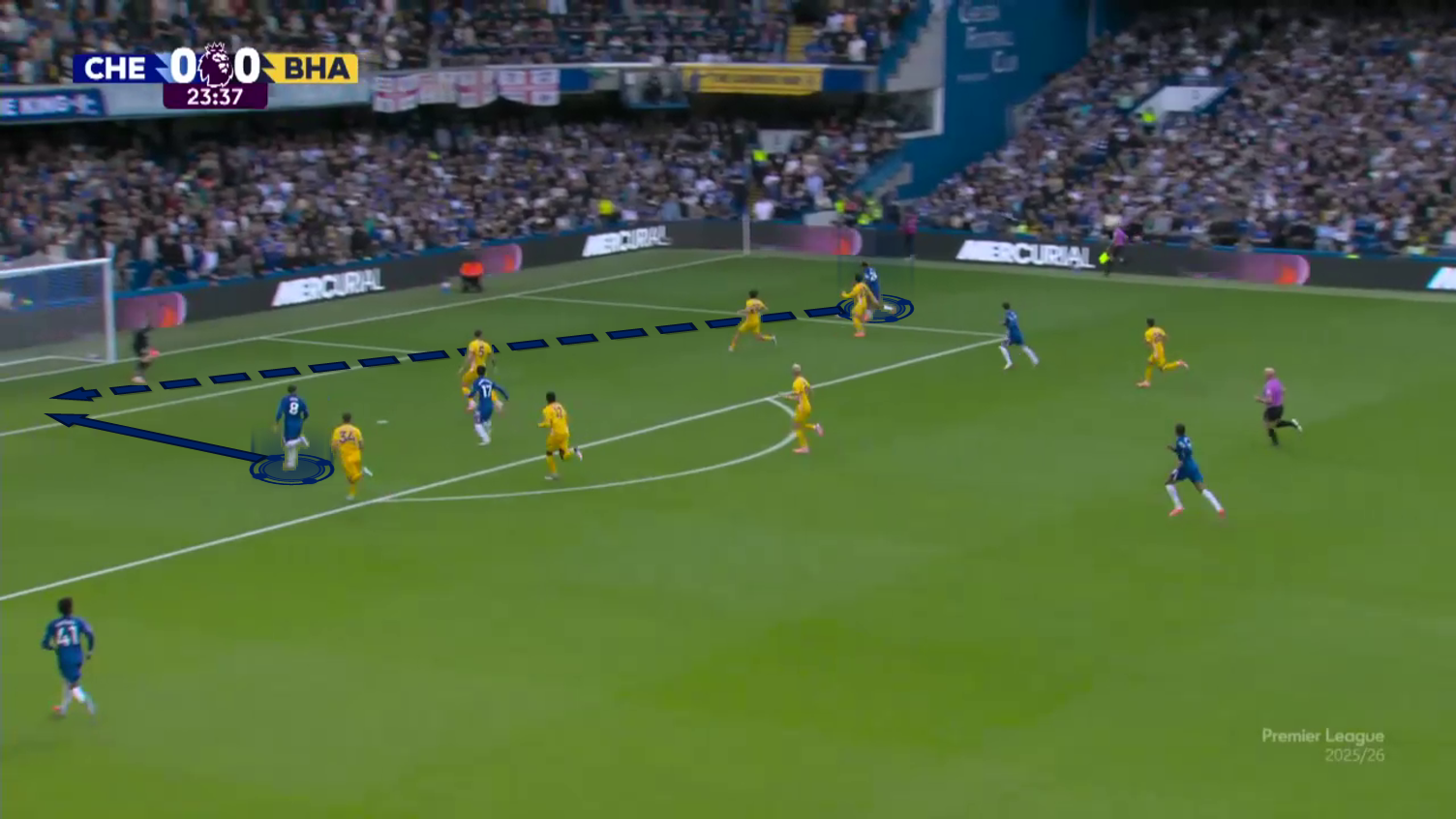
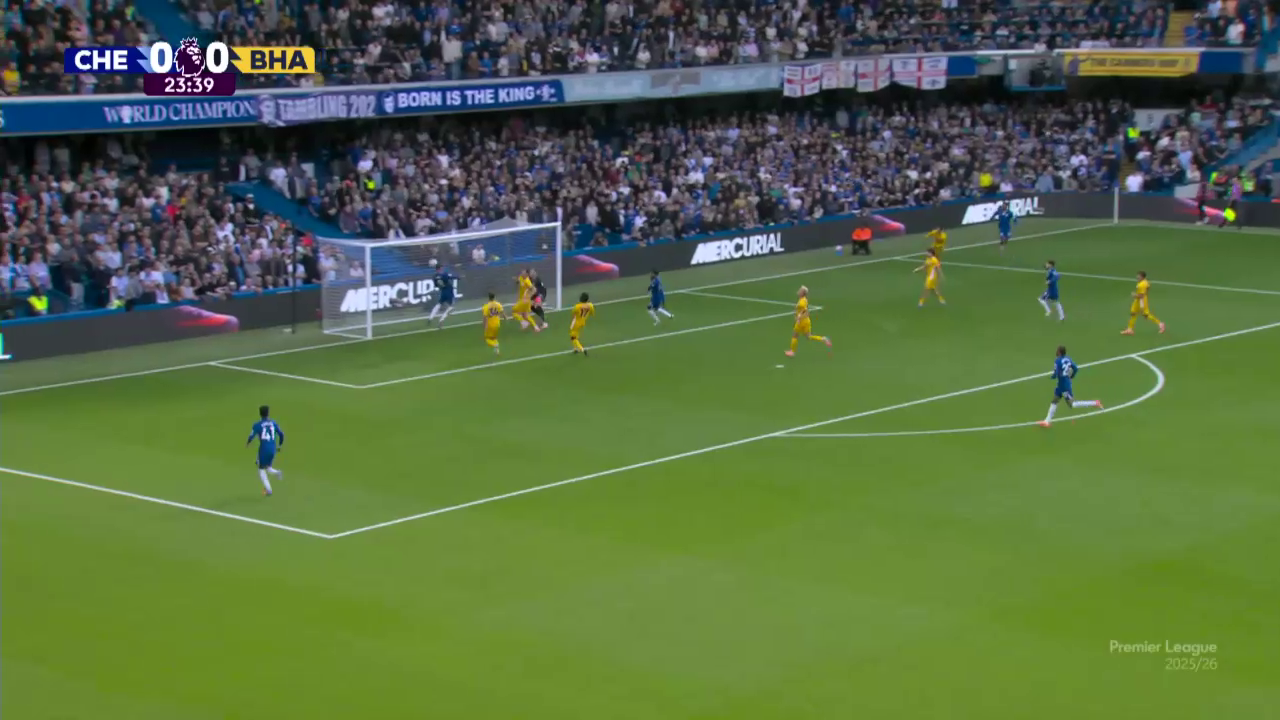
This type of push-and-pull system that Chelsea uses when Pedro starts up top can really frustrate centre-backs and create space for Fernandez or Pedro to make runs into the box, depending on who is dropping deep.
Enzo Fernández Role With & Without Cole Palmer
It is very interesting how Enzo Fernández is used both with and without Cole Palmer in the lineup.
Without Palmer, more often than not, Fernandez started as the number 10 in Maresca’s 4-2-3-1 system.
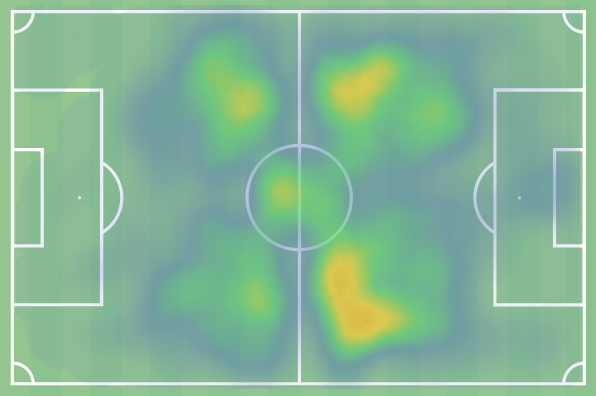
Because he is the number 10, his role is to drift into the right half-space, which is typically where Palmer likes to operate.
You can see from his heatmap this season that most of his time has been spent in that right half-space.
Enzo Fernández Heat Map 2025/2026
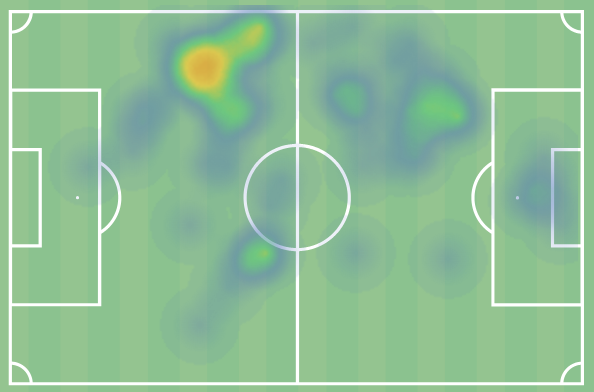
Cole Palmer has recently returned to the lineup, and in their last match against Everton, you can see Fernández moved over once again to the left half-space.
You can also see from the heatmap how much he was used in a deeper role once Palmer was back, being the leading creator in the final third.
Enzo Fernández Heat Map Vs Everton
The beauty of having both Enzo Fernández and Cole Palmer on the pitch at the same time is that Fernández can push forward into the left half-space and create an overload on the last line of defence.
Both he and Palmer can drop deep and draw defenders, making it a nightmare to defend against Chelsea.
Because of all the injuries, Fernández and Palmer have rarely played together.
Still, Liam Delap, providing runs in behind and being a target man, finally makes Chelsea really effective against low blocks.
With all three of them healthy at the same time now, I would not be surprised to see Chelsea’s offence really start to flourish.
Enzo Fernández Stats
Because he’s been playing more as a number 10 this season, with Palmer being out as opposed to the number eight role he played last season, Enzo Fernández is much more involved in chance creation.
As you can see from his radar chart, he is very involved in the attack, getting into the box and contributing to many of Chelsea’s goals.
Enzo Fernández Pizza Chart 2025/2026
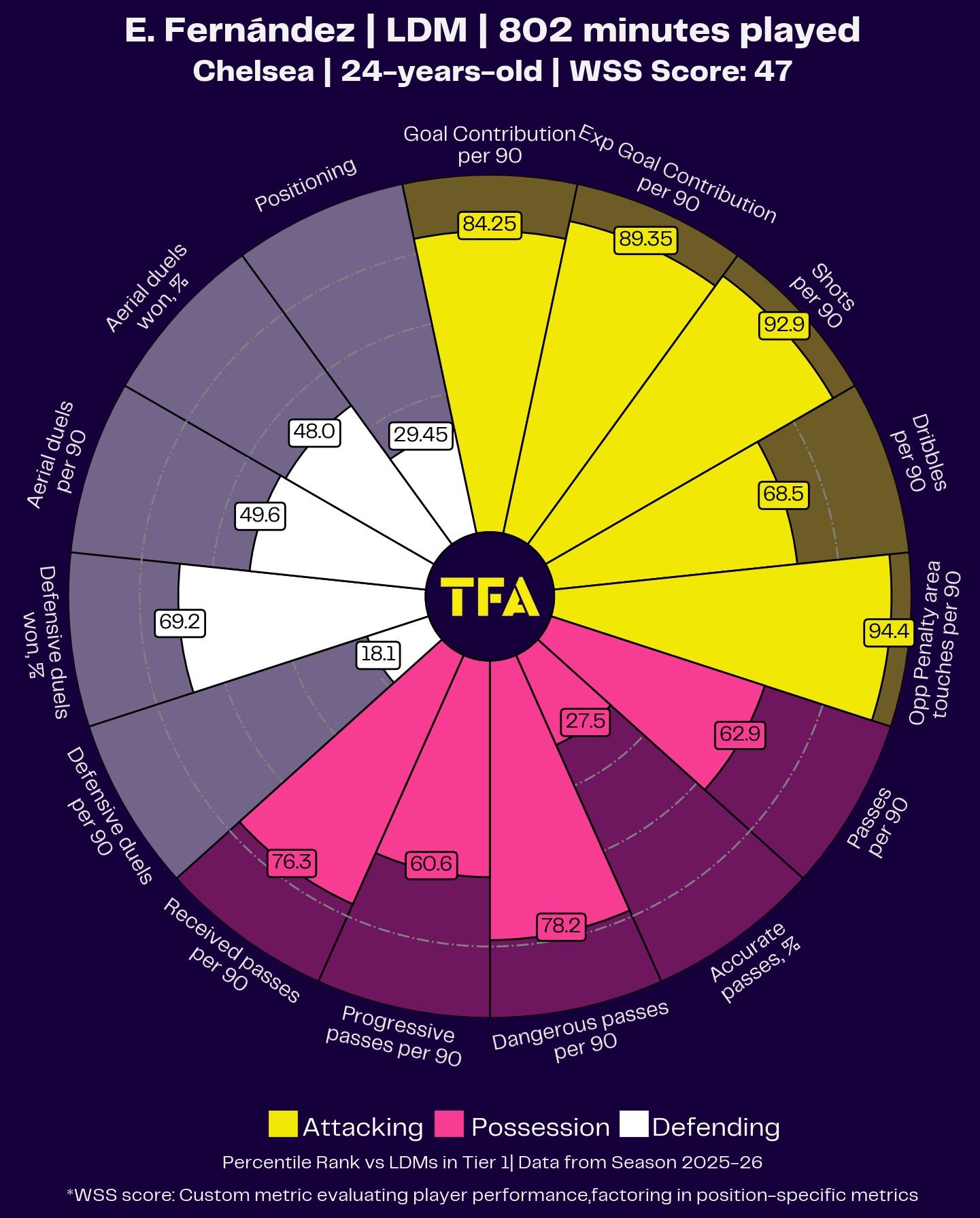
He leads Chelsea with 42 passes directly leading to a shot, 6.1 expected goals, 3.2 expected assists, and 31 passes into the penalty area.
One interesting stat is the number of touches in certain areas on the pitch.
His touches in the final third per 90 minutes have dropped, but increased in the penalty area and the middle third of the pitch.
What that tells me is he’s attacking the box at a way higher rate and also being used in deep build-up more often.
What is also interesting is that Fernández is averaging 2.1 shots per 90 minutes this season, which is about half a shot higher than his average last season.
It shows how often he gets into the penalty area to be a goal-scoring threat, along with all his fantastic chance-creation numbers.
One little concerning stat about Fernández this season, though, is that he’s losing the ball at a pretty high rate.
He’s being dispossessed 1.55 times per 90 minutes, which is a pretty big increase from his average of 0.86 last season.
Conclusion
With Cole Palmer out, Enzo Fernández was forced to play in a more advanced role, which is a good thing for him.
There were periods last season when Chelsea went through an injury crisis, and he was forced to play more as a number six, which does not suit him well.
He is at his best when he is given the freedom to play multiple roles throughout a match, which can really frustrate opposing defences.
It will be fun to see Fernández and Palmer regularly playing alongside each other now that Palmer is back from his injury.
The two of them in opposite half-spaces is a nightmare for opposing defences, and Fernández’s ability to drop really deep in build-up will give teams headaches because it allows Chelsea to overload the first and second phases of build-up.
Reece James has established himself as an excellent option in defensive midfield alongside Moisés Caicedo.
What will be interesting to see going forward is who gets left out of the squad, or if Maresca decides to switch the formation to get Palmer, James, Caicedo, and Fernández all on the pitch at the same time.
Regardless of what Maresca decides, Fernández has established himself as Chelsea’s most important player and one of the best all-around midfielders in world football.
