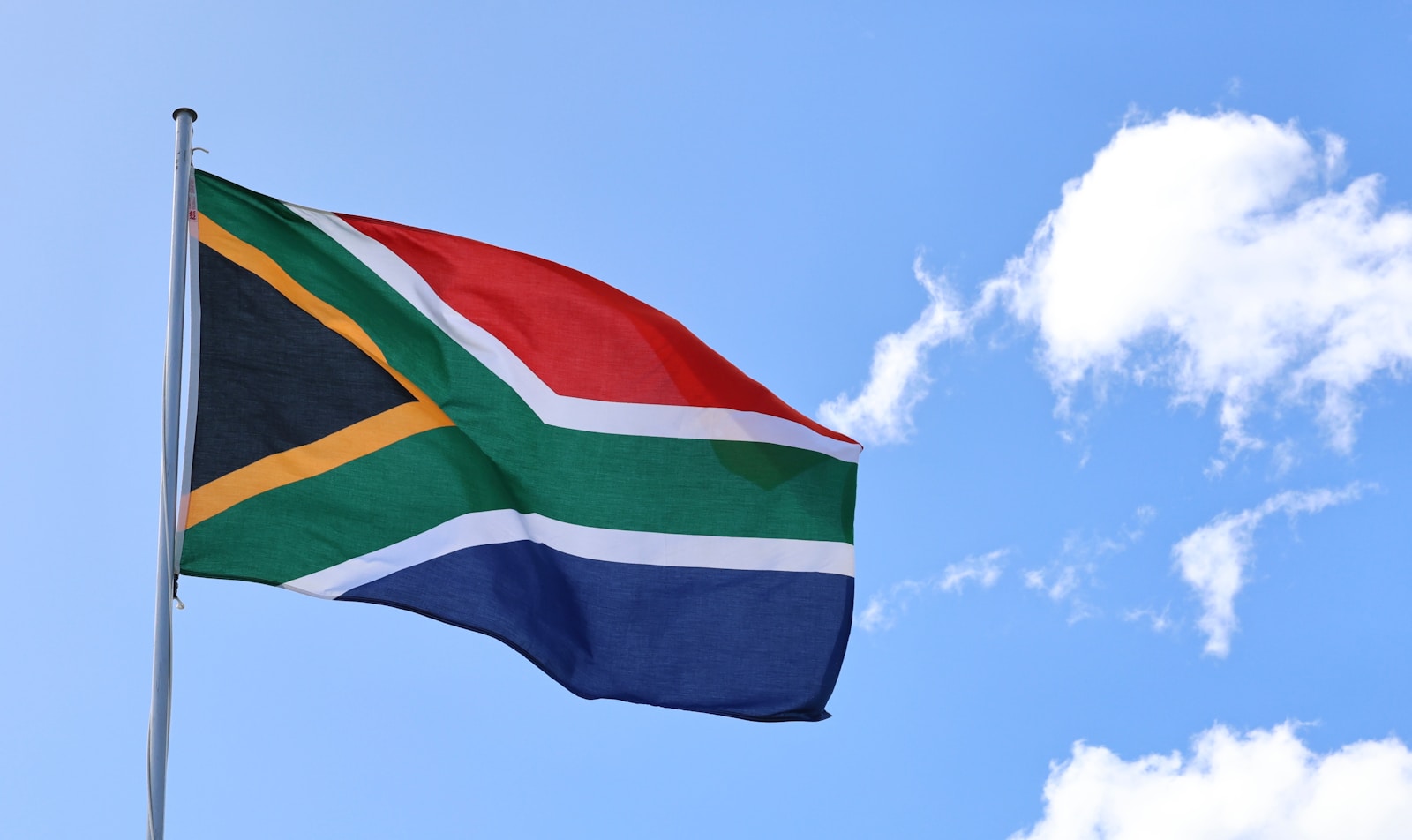
After 16 long years, the cry of the vuvuzela will once again be heard on the world’s biggest football stage.
South Africa’s national team, Bafana Bafana, has officially qualified for the 2026 FIFA World Cup, marking their first appearance since hosting the 2010 edition.
A Long-Awaited Return
Coach Hugo Broos’ side sealed qualification with a 3-0 victory over Rwanda in Mbombela on the final day of the CAFG qualifiers.
Goals by Thalente Mbatha, Oswin Appollis, and Evidence Makgoba secured all three points, sending the country into raptures.
The win lifted South Africa above Benin and Nigeria in one of the tightest qualification groups on the African continent.
This confirmed their place in next year’s expanded 48-team tournament in the US, Canada, and Mexico.
The success resulted in jubilant scenes across Johannesburg and Cape Town, where fans flooded the streets, waving flags and reliving memories of the 2010 World Cup.
It was a moment that symbolised the revival of a footballing nation once considered the best in Africa.
South Africa’s qualification marks the fourth time they will appear at the FIFA World Cup, following their previous participations in 1998, 2002, and 2010.
Their best performance is a group-stage finish in the 1998 World Cup in France, but hopes are high that Broos’ class of 2026 can go further than any Bafana team before them.
The road to the global stage has been long and frustrating.
Since hosting the 2010 tournament, South Africa has struggled for consistency, often falling short during qualifying campaigns.
However, this time, local Premier Soccer League (PSL) talent and a few Europe-based players have made the team competitive once again.
The global football fandom is today more connected than ever.
Supporters can back their favourites from various countries, and it is easier than ever to follow tournaments and place bets through trusted platforms that offer fast payouts and a host of odds.
Fans can find reputable options here, with many leading betting sites offering extensive coverage for the 2026 World Cup.
The Broos Blueprint
Hugo Broos, who famously guided Cameroon to the 2017 Africa Cup of Nations title, has been the architect behind South Africa’s mounting successes.
He was appointed in 2021 and emphasised structure and discipline.
This strategy has finally paid off.
Under his guidance, Bafana Bafana developed a balanced and adaptable playing style.
The team is now capable of achieving results even under difficult conditions.
Broos praised his squad’s focus on unity after the decisive 3-0 win over Rwanda.
He credited “belief and hard work” as central to their success.
However, Broos is also getting some criticism.
Former Bafana Bafana defender Matthew Booth praised Broos’ success but noted an area of improvement:
“One of the few criticisms about Broos is that he hasn’t really looked at overseas players much since he arrived. He should travel and watch, and to reassure, let players overseas know that he is keeping tabs on them. I think that is very important. I don’t think he has done enough of that. Now with the squad having qualified for the World Cup, it’s not right to change the squad because this is the squad that has worked very hard to qualify.”
Booth’s comments align with a debate in South African football about striking a balance between local player development and international exposure.
New Heroes For A New Era
The new-look Bafana Bafana team is hungry to win.
Percy Tau, the Al Ahly forward, continues to play creatively, while young stars like Lyle Foster and Teboho Mokoena showcase the potential of South African football’s future.
South Africa finished the CAF qualifier with 18 points from 30.
Although it’s not the most dominant record on paper, it shows the team is resilient in a competitive field.
They will now join African champions Senegal and Côte d’Ivoire as Africa’s largest-ever contingent at a World Cup, with nine direct slots allocated to the continent under the new format.
Remembering 2010
Many South African football fans vividly remember 2010.
Siphiwe Tshabalala’s thunderbolt against Mexico to the deafening chorus of vuvuzelas defined the tournament for many.
In the country, the World Cup was not just about sport; it was a cultural celebration of unity.
The stakes are higher in 2026. The US, Canada, and Mexico will host a tournament of unprecedented scale, and South Africa is determined to make history.
Vroos has already confirmed he plans to retire after the World Cup and will pass the baton to assistant Gelman Mkhalele.
Looking To The Future
The 2026 World Cup is a redemption opportunity.
If Bafana Bafana can progress past the group stage for the first time, it will be a milestone for African football and a grand farewell for the 73-year-old coach who revitalised the team.
Millions of fans have waited since 2010 to see the South African flag on the World Cup stage again, and qualification alone almost feels like victory.
But as the team’s song “Shosholoza” is sung once again, one thing is clear: Bafana Bafana are back.