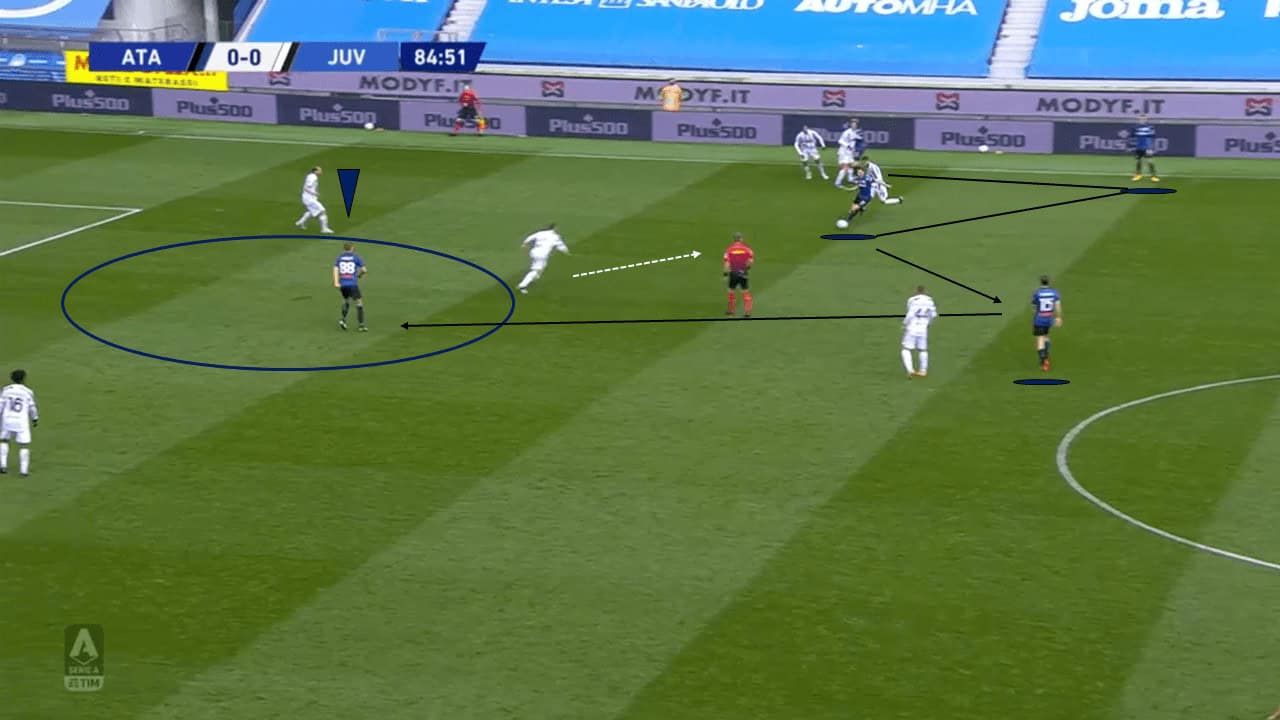
Each soccer fan has their take on how the team they support should play. From their analysis, they deduce that this player should have moved this way and that player should have tackled this way. Coaches and managers are no exception either. But now that we have the technology, football analysis has gotten a whole lot better.
The science of data analytics now helps us to assess football team performance and all tactical behaviour. It also assists in gathering specs and statistics of a live match. This technology is responsible for metrics such as ball possession, on-site heat maps, passes completed and distance covered. With all this information, it becomes easier to determine which team is more dominant on the pitch and likely to win the game.
In the big leagues and international matches, data analytics is even used to group teams. When you look at the Euro 2020 schedule for example, there’s a lot of data that was collected regarding each team, resulting in the suggested lineup. Where to play, which teams will play there, how tickets will be sold etc, it’s all data analytics in action.
Let’s take a look at how exactly data is collected and used by football teams.
Role of cameras in data analysis
Cameras are placed all around the pitch and drones hover from above to capture every goal opportunity, and every defensive take or mistake. Each player’s movement is also monitored. As the cameras are rolling and recording, various data will be captured and used for professional analysis, as is done on the Super Sports Channel. With this data, team managers prepare their teams accordingly at training and level up their performance.
In the English Premier League for example, a football pitch is set with 8 to 10 cameras that track each player’s moves. The captured motions are then coded to identify each tackle, pass or shot. This gives the team manager insight into what was happening on the pitch, helping him to correct the errors or emphasise the positives in preparation for the next game.
Data analysis also helps football managers during transfer seasons. It assists in making informed decisions about a particular player and scouting for new players.
Data analysis and players’ fitness
Data analysis is also used to determine how players should train to better their fitness. The collected data is personalised to suit each player and improve their skills. Teams like Real Madrid, for example, use this system. Each player wears sensors that track their movement on the pitch during matches as requested by fitness coaches. These sensors track a player’s heart rate, speed and distance run without experiencing any fatigue. This information is then used by the fitness coaches to see whether a particular player needs more cardio work or not.
Data analysis to counter the opposition
Collected data is also beneficial when studying how an opponent plays. By watching previous soccer games, coaches will break down play and deeply analyse where their opponents’ strengths lie and their weaknesses. The recorded data is key to understanding how the opposition moves with the ball, how their offensive play is structured and how they defend. In turn, this data will help the coach to structure his team, come up with the formation they’ll use, and even determine counter attacks or how to pass the ball from one player to the other around the pitch. All of this enables the team to have a competitive advantage over their opponent.
While teams like Liverpool, Brentford and a few others have been utilising data analytics to gain some leverage and improve their play, not all coaches or managers of other teams are on board with the idea. We certainly hope this article will get their attention and urge them to explore the concept more.