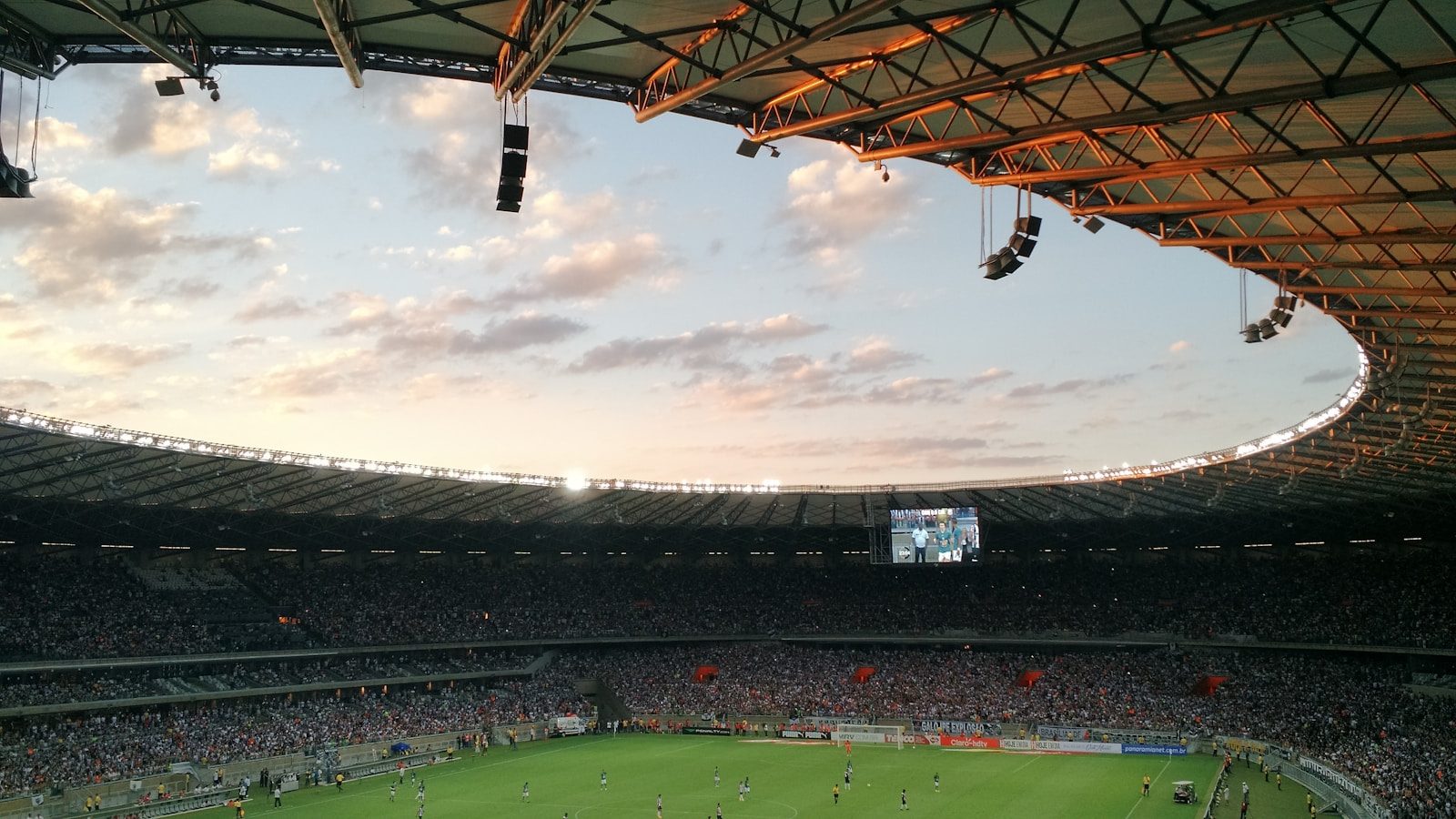
In the modern era of elite football, the World Cup remains the ultimate laboratory for tactical innovation.
While domestic leagues offer the luxury of 38-game consistency, the knockout nature of international football demands a different breed of tactical DNA.
To win a World Cup, a manager must solve a complex puzzle: how to balance defensive structural integrity with the individual brilliance required to break down a world-class low-block.
From the suffocating possession of Spain in 2010 to the reactive brilliance of Argentina in 2022, the blueprint for a champion has shifted significantly.
By analysing these tactical setups, we can begin to identify the patterns that separate the perennial contenders from the dark horses.
The Dictatorship of Possession: Spain 2010
The 2010 Spanish side, led by Vicente del Bosque, represented the peak of Tiki-Taka on the international stage.
However, their tactical setup was often misunderstood as purely offensive.
In reality, their 4-3-3 (which often functioned as a 4-2-3-1 with Xabi Alonso and Sergio Busquets) used possession as a defensive shield.
By maintaining a staggering average possession of over 60%, Spain ensured that the opposition simply never had the tools to hurt them.
Their path to the trophy was defined by four consecutive 1-0 wins in the knockout stages.
The tactical key was the double pivot.
While Busquets anchored the midfield, Alonso provided the vertical passing range to find Xavi and Andrés Iniesta in the half-spaces.
According to historical data from FBref’s 2010 Possession World Cup Stats, Spain’s ability to limit the opposition’s touches in the final third remains a benchmark for tournament control.
They didn’t just win games; they removed the element of chance from the sport, a nightmare for traditionalists but a masterclass for those tracking control metrics.
The Hybrid Revolution: Germany 2014
If Spain was about control, Germany’s 2014 triumph in Brazil was about the perfect hybrid of positional play and traditional German verticality.
Joachim Löw utilised a system that relied heavily on Raumdeuters (space investigators) like Thomas Müller and the inverted movements of Philipp Lahm.
Tactically, Germany employed a high defensive line, supported by Manuel Neuer’s revolutionary “Sweeper-Keeper” role.
This allowed the midfield to compress the pitch, winning the ball back instantly via a high press.
The 7-1 demolition of Brazil wasn’t just a freak result; it was a tactical exploitation of a team that lacked structural discipline.
Germany’s flexibility meant they could pivot from a possession-based 4-3-3 to a devastating counter-attacking unit within seconds, maintaining a pass completion rate that rivalled the great Spanish sides.
Elite Pragmatism: France 2018 And Argentina 2022
The last two tournaments have signalled a shift away from the “Possession is King” mantra.
Both Didier Deschamps’ France and Lionel Scaloni’s Argentina prioritised defensive solidity and reactive dominance.
In 2018, France often conceded territory, happy to sit in a compact mid-block.
This invited the opposition forward, leaving space behind for the lightning pace of Kylian Mbappé.
This wasn’t parking the bus; it was a calculated tactical gamble that prioritised high-quality transitions over high-volume possession.
Argentina followed a similar path in Qatar, albeit with a focus on tactical enablers.
Scaloni built a 4-4-2/4-3-3 hybrid designed specifically to provide a platform for Lionel Messi.
Players like Rodrigo De Paul and Alexis Mac Allister acted as the engine room, covering vast distances to ensure the defensive structure remained intact while Messi remained high and central, ready to exploit the specific moments that define a final.
Identifying The Next Champion
For the modern analyst, the trend is clear: the most successful international sides are those that can adapt their tactical shape mid-game.
We are moving away from rigid philosophies and toward phase-specific tactics.
This evolution has a direct impact on how we view the markets.
Understanding whether a team uses a high-press or a mid-block can be the difference between a winning insight and a losing one.
For those looking at the current crop of talent, many fans are already turning to England betting specials to see if the tactical evolution under the national setup, moving toward a more expansive 4-3-3, can finally bridge the gap between contenders and champions.
As noted in The Guardian’s tactical analysis of England’s knockout history, the margins at this level are razor-thin.
Often, the winner isn’t the team with the most talented individuals, but the team whose tactical setup most effectively mitigates risk while maximising their X-Factor players.
The Tactical Legacy
The evolution from 2010 to the present shows a sport that is becoming increasingly data-driven.
The special players will always grab the headlines, but the special systems are what actually lift the trophy.
Whether it is the suffocating press, the disciplined low-block, or the lightning-fast transition, the blueprint for glory is always hidden in the tactics.