


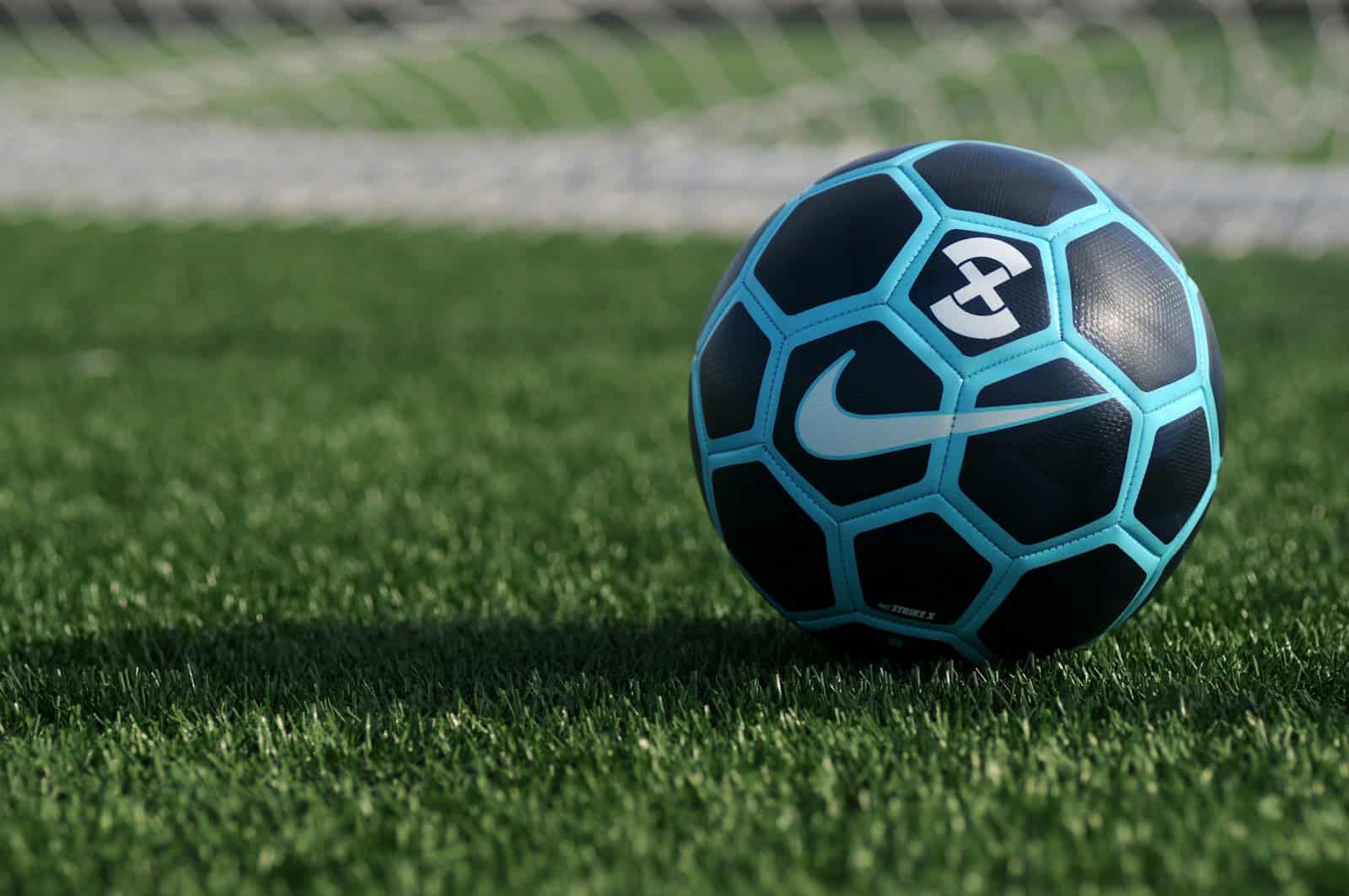
Ethiopian women athletes are championing their narrative, forging a new legacy while training on rural tracks and urban courts.
Supported by local clubs and schools, they are participating in sports like football, basketball, and athletics that were previously reserved for males.
Now, female athletes are not only actively competing but also calling for proper investment, professional training, and equal opportunities in athletic events.
The change is coming, and it is rapid. Watch out for these athletes, as they are not adhering to the previously established limits.
Growth Of Women’s Running
Ethiopian women runners are now recognised all over the world, and while their recognition is immense, there is always room for development.
For example, many young girls are trained on dirt tracks and require proper athletic facilities to hone their skills.
With the help of local clubs and even soccer Ethiopia programs, young girls can benefit from coaching programs specifically tailored towards them.
Some elite athletes, like Derartu Tulu, do provide a significant amount of inspiration; however, the journey for many involves self-financed determination.
International accolades are not accidents—they result from painstaking effort.
Talent is spotted during local competitions, and regional training camps polish those skills.
Sponsorship is scarce but is growing, with global brands taking an interest.
Coaches focus on endurance, technique, and mental fitness.
Endowed with more resources, Ethiopia’s next wave of women distance runners could set records and rival any nation’s dominance.
Women’s Football In Ethiopia
Yet obstacles continue to hinder progress.
Clubs are emerging, leagues are finding their footing, and strikers are climbing the professional ladder.
While patrons remain few and far between, facilities are gradually improving.
Key drivers of growth:
- The Ethiopian Women’s Premier League was launched in 2017, offering a structured system for national competition.
- Grassroots programs: introducing girls to play football in schools and at community pitches.
- Coaching development: Federations are certifying coaches focused on women’s training needs.
These changes are impactful, not superficial. Now, clubs scour rural and urban schools for talent.
With the help of NGOs and local businesses, funding has been provided for kits, transport, and training fields.
It is refreshing to see that the game in Ethiopia is finally evolving from casual kickabouts to organised, serious competition.
Team Sports Development Overview
The evolution of women’s sports in Ethiopia is moving toward a more organised system with a clear action plan.
There is now targeted funding for basketball and football, along with more professional coaches.
Regional federations have also established baselines and organised leagues to promote sustainable competition.
The focus has shifted from participation to developing competitive international-calibre teams.
This is being done through academies, set schedules, and defined frameworks that yield tangible outcomes.
Women’s Basketball Progress
Things are moving faster when it comes to women’s basketball in Ethiopia.
Players in Addis Ababa and other regional towns now have access to proper training centres equipped with courts, sound equipment, and focused coaches.
The Ethiopian Basketball Federation also holds annual championships for women’s clubs, ensuring sustained competitiveness.
Girls typically receive their first introduction to basketball in school, making it easier for them to transition to club-level fitness, strategy, and teamwork.
The progress is encouraging. Instead of hiring coaching staff without a background, teams are now bringing on board certified professionals.
Local councils and sponsors are improving community courts.
Many women are beginning to attend training camps aimed at improving specific skills such as defensive structures and shooting.
Women are not an afterthought anymore.
Women’s basketball in Ethiopia is evolving positively, with strong frameworks in place for aspiring professionals, including clear structures, discipline, and defined career paths.
Football Training And Support
The growth of women’s football extends beyond passion; it also requires adequate infrastructure, effective coaching, proper recruitment, and suitable facilities.
Programs also have defined goals and receive support through partnerships.
Key elements driving support:
- Talent Scout Days: Schools and community teams host scout days to search for emerging talent.
- Targeted Women Coaches Training: Federations implement specific training for women coaches.
- Equipment and Facilities Renovation: Partnerships with NGOs and local councils to upgrade fields and supply equipment.
With these measures in place, there is now a structure in women’s football.
It’s no longer random games being played without a goal; there are fitness regimens, competition calendars, and organised training routines.
Players have clear goals, and clubs invest in cultivating developed athletes for national and regional competitions.
Overcoming Cultural Challenges
There is still a long way to go to simple respect for female sportspeople in Ethiopia.
Women’s community engagement projects aim to change these attitudes.
Families, coaches, and community leaders are being mobilised for the value of girls’ sport participation.
This is not just vague messaging; it is specifically targeted at campaigns in schools and communities.
The table below highlights key cultural challenges and specific local actions taken:
| Barrier | Local Response |
| Gender Role Expectations | Awareness workshops for parents and coaches |
| Lack of Visibility | Local media profiles of female athletes |
| Community Stigma | School-based sports clubs for girls |
| Limited Female Coaches | Training programs for women coaches |
Both these initiatives are quantifiable and ongoing.
They depend on local officials, teachers, and non-profits collaborating.
Here, even small community changes contribute to broader perspectives.
Women’s teams report that these programs help them join teams with far less difficulty than before.
Role of Schools And Universities
Schools have the most significant responsibility for the development of women’s sport in Ethiopia.
A teacher can identify and nurture great talent early, ensuring that girls are members of community clubs.
School girls participate in interschool tournaments, which enhance their skills and promote teamwork.
Some schools conduct training sessions after classes, while others provide equipment to ensure that every girl can participate.
This systematic approach enables girls to have a routine in which sports are integrated into their daily activities.
This is further enhanced by universities that provide scholarships to some of their female student-athletes, ensuring that these women can train while studying.
Higher institutions of learning sometimes have better local facilities, thereby giving them proper access to courts and tracks.
In addition, coaches focus on injury management and proper nutrition, which ensures that they remain active.
Universities are producing raw materials for the national teams and future coaches as well.
Government And Federation Initiatives
The government is taking action to support women’s sports.
The Ministry of Sport now has specific funds allocated to women’s leagues.
Federations have policies in place for equitable access to training facilities.
National development strategies for women’s football and basketball specifically target participation, competition, and development.
There is a shift from relying on volunteers toward employing professional women’s teams.
They are hiring professional coaches and hosting regular competitions.
Clubs receive athlete care and developmental frameworks. International contributors also help out through coaching swaps and equipment donations.
These improvements strengthen and professionalise women’s sports in Ethiopia.
Future Prospects
Ethiopian women’s sports are experiencing a surge in popularity.
Athletes are demanding higher investment and better standards.
Support from fans is emerging.
With some sustained interest, Ethiopia could rapidly develop competitive teams for continental and global competition.

