For the second time in four years, Flamengo have conquered the glorious Copa Libertadores.
In one of the club’s most successful eras, the Rubro-Negro have once again confirmed their dominance by winning the continental title just a week and a half after lifting the Copa do Brasil trophy.
Flamengo’s start to the season was far from ideal under Juventus-linked manager Paulo Sousa, but after Dorival Júnior’s arrival, the Rio de Janeiro side have climbed back to the top of South American football.
The final was far from easy, though.
With former Chelsea manager Luiz Felipe Scolari, also known as Felipão, in charge, Athletico Paranaense put up a good fight until the very end.
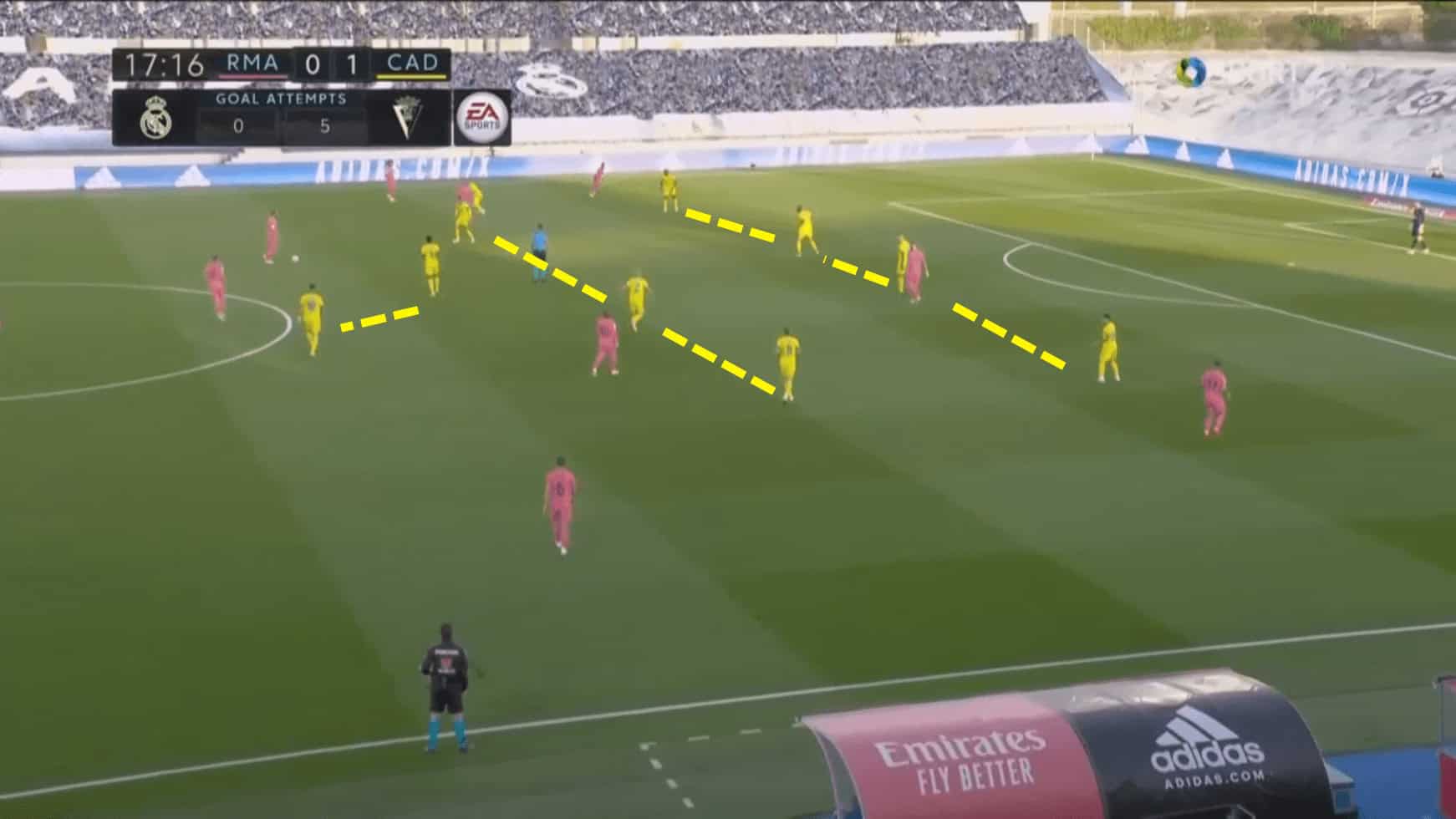
With a relatively inferior side, quality-wise, the Furacão assembled a strong defensive system to stop Flamengo’s star-studded attack.
While Pedro Henrique’s red card in the 43rd minute made things easier, Mengão were already starting to break through in the first half.
With Premier League-linked Gabriel Barbosa and Everton Ribeiro being the standout stars, Flamengo were able to confirm their superiority and win the Copa Libertadores for the third time in the club’s prestigious history.
This tactical analysis will provide a detailed insight into the tactics behind the Copa Libertadores final in Guayaquil, Ecuador.
More specifically, this analysis will also look at Athletico Paranaense‘s defensive plan to neutralise Flamengo’s quality, how Flamengo were able to break through, and finally how they were able to control a 10-men Athletico in the second half.
Lineups
Before examining the tactics that dictated the final, it is worth looking at how both teams lined up for this match.
Both managers have been rather consistent this season, with their starting eleven as well as their formations.
Flamengo’s eleven was far from a surprise, with Dorival deploying the same players that won the Copa do Brasil earlier this month.
On the other hand, there was much surprise as Felipão lined up with a rather attacking team.
Given Flamengo’s superiority, many were expecting a much more defensive side.
Flamengo came into the final with their usual 4-3-1-2, a narrow structure that searches for numerical and socio-affective superiority.
The backline was composed of Rodinei, David Luiz, Léo Pereira, and Filipe Luís.
In the midfield, Thiago Maia was flanked by Everton Ribeiro and João Gomes.
Giorgian de Arrascaeta is the mastermind and orchestrator of Dorival’s side with Gabriel Barbosa and Pedro ahead of him.

For Athletico, Felipão deployed an asymmetric and narrow 4-2-3-1.
The backline consisted of Khellven, Pedro Henrique, Thiago Heleno, and Abner.



![Burnley Vs Manchester United [2–2] – Premier League 2025/2026: The Red Devils New Ideas And Potential Tactical Changes – Tactical Analysis](https://totalfootballanalysis.com/wp-content/uploads/2026/01/Burnley-2-2-Manchester-United-tactical-analysis-350x250.png "Burnley Vs Manchester United [2–2] – Premier League 2025/2026: The First Steps Of The Post-Rúben Amorim Era – Tactical Analysis 7")