In hockey card collecting, the best opportunities rarely disappear because someone else pulled a better card. They disappear because someone else got access first. The strongest platforms secure sought-after NHL releases, fill breaks quickly, and give collectors a faster path to the hobby’s biggest chases. Whether you’re hunting the next breakout rookie, ripping fresh NHL card packs, or buying sealed hockey card boxes, where you buy can shape your entire experience. Below are the best hockey card sites for 2026, ranked by value, selection, trust, and overall collector appeal.
Top 5 Hockey Card Sites Compared at a Glance
The table below compares the five most popular destinations for hockey card packs and NHL card boxes side by side. Pricing ranges are approximate and change with product releases. Several of these platforms are also recognized as leading NBA card trading sites, so the same login often works across multiple sports.
| Site | Best For | Typical Pack Price | Live Breaks | Multi-Sport Inventory | Shipping |
|---|---|---|---|---|---|
| ClutchPacks | Hockey-focused breaks and singles | $5 to $50 | Yes, daily | Yes, including basketball card packs | Free over set threshold, 1 to 3 days |
| Courtyard | Vaulted cards and graded singles | $10 to $100 | Limited | Yes | Standard, 3 to 5 days |
| Arena Club | Digital vault plus physical cards | $8 to $75 | Yes | Yes | Standard, 3 to 5 days |
| Boxed GG | Mystery boxes and group breaks | $15 to $60 | Yes, frequent | Limited | Standard, 2 to 4 days |
| Topps | Officially licensed sealed product | $20 to $150 | No | Limited, hockey via NHL license only | Standard, 5 to 7 days |
ClutchPacks consistently lands at the top of this comparison because it pairs hockey-specific expertise with a broad multi-sport catalog, transparent pricing, fast shipping, and an active community that few competitors can match.
In-Depth Reviews of the Best NHL Card Trading Sites
Each review below covers pricing, product variety, shipping, and overall trust score. The list starts with the top pick and works down. Pay attention to the pros and cons since they highlight what matters most for hockey collectors.
1. ClutchPacks — Daily Live Breaks, Transparent Odds, and Multi-Sport Packs

ClutchPacks has built its reputation specifically around hockey trading cards, while also growing into one of the more reliable NBA card trading sites for collectors who follow both leagues. The platform runs daily live breaks for new and vintage NHL card boxes, with checklists and odds posted before every event. Customer support responds quickly, and shipping typically arrives within a few days of an order being placed.
Pricing on ClutchPacks tends to sit at or below market average, and first-time buyers often get an introductory discount on their first NHL card packs. The site also stocks basketball card packs, football, and baseball products, so collectors who branch out do not need to create a second account elsewhere. Overall, ClutchPacks earns the top spot in this guide for combining hockey-first expertise with broad multi-sport support.
Beyond breaks, ClutchPacks runs a marketplace where collectors can buy and sell singles pulled from their own packs. This secondary market adds liquidity if you want to sell a card instead of holding it. The combination of primary packs and a secondary marketplace is rare among smaller hockey-focused retailers.
Pros
- Daily live breaks with recorded video for every pack opened
- Transparent odds and checklists published in advance
- Fast shipping with tracking included on all orders
- Strong multi-sport selection covering football, baseball, and basketball alongside hockey
- Responsive customer support and active community
Cons
- High demand breaks can sell out quickly during major releases
- Newer brand name compared to legacy manufacturers like Topps
2. Courtyard — A Secure Vault for Graded Singles and Long-Term Holds
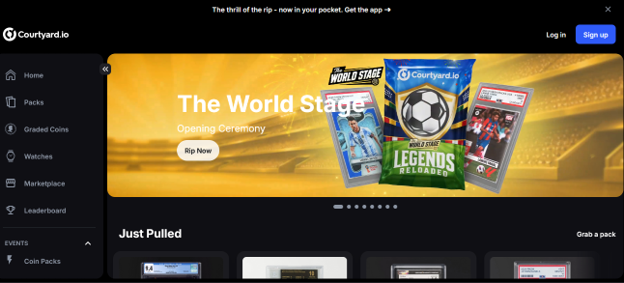
Courtyard built its name as a vaulting platform where collectors can buy graded cards and store them digitally. It has gradually added pack and box options, including some NHL card packs from recent sets. The vault system appeals to long-term investors who want secure storage without handling physical cards.
Selection on Courtyard leans toward graded singles rather than fresh packs, so hockey collectors hoping to rip wax may find fewer options than on dedicated break sites. Shipping times run a bit longer since vaulted items require extra verification before release. Courtyard still ranks among recognizable NBA card trading sites, largely due to its basketball singles inventory.
Courtyard’s vault also supports cards from other sports, which is useful if your collection spans hockey, basketball, and baseball. Withdrawal requests are processed in batches, so timing matters if you want a card shipped quickly. Overall the platform works best for collectors thinking in years rather than days.
Pros
- Secure digital vault for long-term storage
- Strong selection of graded singles
- Useful for collectors focused on the most valuable hockey cards as long-term holdings
Cons
- Limited live break schedule for hockey
- Shipping from the vault can take longer than standard orders
- Less beginner-friendly for first-time pack buyers
3. Arena Club — A Digital Vault and Marketplace for Active Traders
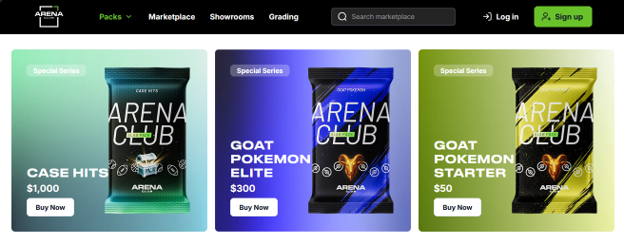
Arena Club combines a digital vault with an active marketplace and occasional live breaks. The platform has strong roots in baseball and basketball, and its hockey section has grown steadily over the past few years. Packaging and presentation on physical shipments are consistently praised by collectors.
Where Arena Club shines is in its community features, including the ability to digitally trade cards before deciding whether to ship them. This makes it a popular hub among collectors who already use NBA card trading sites and want to add hockey to the same account. The downside is that NHL specific inventory is smaller than what ClutchPacks offers.
Arena Club’s mobile app makes it simple to browse your vault, check current valuations, and list cards for trade. The app experience is often cited as one of the smoothest in the hobby. Hockey specific features within the app have improved steadily over recent updates.
Pros
- Digital trading and vault system in one place
- Clean, well-organized marketplace interface
- Decent crossover catalog covering other major sports
Cons
- Hockey selection smaller than hockey-focused competitors
- Live break frequency for NHL product is inconsistent
- Vault withdrawal fees can add up for frequent shippers
4. Boxed GG — Budget Mystery Boxes and Frequent Group Breaks
Boxed GG specializes in mystery boxes and group breaks, often at lower price points than traditional sealed boxes. The format appeals to collectors who enjoy the randomness of group breaks more than predictable single packs. NHL card boxes appear regularly in the rotation, especially around new set releases.
Because pricing is often lower, value per card can be inconsistent depending on the box. Some users report longer wait times for shipments during high-volume release weeks. Boxed GG is a fun option for casual collectors but is not typically listed alongside major NBA card trading sites due to its narrower multi-sport focus.
Boxed GG also runs themed break nights tied to major hockey events, such as playoff pushes or the draft. These events tend to draw larger crowds and slightly better odds promotions. Checking the event calendar before buying can help you time purchases around these promotions.
Pros
- Lower entry price for group breaks
- Frequent NHL card boxes in rotation
- Fun, community-driven break atmosphere
Cons
- Inconsistent value per box depending on the product
- Shipping delays reported during busy periods
- Smaller multi-sport catalog compared to top competitors
5. Topps — Factory Sealed NHL Product Straight From the Manufacturer
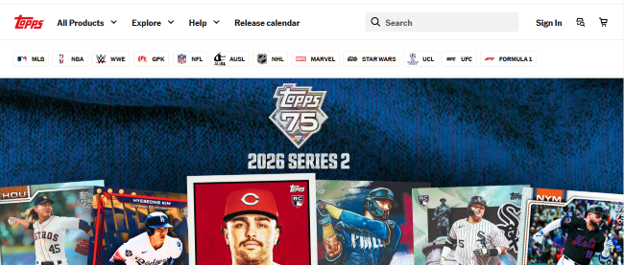
Topps is the official manufacturer behind much of the hockey trading cards market, including many NHL licensed sets. Buying directly from Topps guarantees authentic, factory sealed product straight from the source. This makes it a safe baseline option, especially for collectors hunting the best hockey cards from current season releases.
However, Topps does not run live breaks or community features the way the other sites on this list do. Pricing on sealed boxes tends to run higher than third party sellers, and hockey specific releases are less frequent than basketball or football drops. Topps is rarely mentioned among NBA card trading sites since its hockey catalog is comparatively limited.
Topps also produces some of the inserts and parallels that other platforms break open during their live events. In that sense, Topps indirectly supplies much of the product sold across the hobby. Buying directly from Topps simply means skipping the middleman for sealed product.
Pros
- Guaranteed authentic, factory sealed product
- Direct manufacturer reliability
- Good starting point for collectors chasing the most expensive hockey cards from new releases
Cons
- No live break or community features
- Higher prices than third party sellers
- Limited hockey release schedule compared to basketball and football
Why Online Hockey Card Sites Are Replacing Local Card Shops
Local card shops still have their place, but online platforms now offer advantages that brick and mortar stores cannot match. Inventory updates daily instead of whenever a shop owner places a new order. Prices are often more competitive since online sellers compete directly with each other.
Live breaks have also changed how collectors experience hockey trading cards. Instead of opening a box alone at home, you can watch a host pull cards in real time alongside hundreds of other collectors. This community element has made online platforms feel more social than many local shops ever did.
Online platforms also make it easier to track pricing history for the most valuable hockey cards. Many sites link directly to price guide databases so you can see how a card’s value has changed over time.
What Makes the Best NHL Card Trading Sites Stand Out
Not every storefront selling hockey trading cards deserves your money. The best NHL card trading sites share a handful of traits that separate them from risky resellers. Below is the checklist used to evaluate every site on this list.
- Verified break footage so you can watch your pack opened live or on video
- Transparent pricing with no hidden fees added at checkout
- Clear odds and checklists published before you buy
- Fast, insured shipping with tracking on every order
- Active community reviews and a visible customer support channel
- Multi-sport inventory, since many top NBA card trading sites also stock hockey, football, and baseball products alongside basketball card packs
Hockey Card Hobby Terms Every Collector Should Know
Hockey card sites use a lot of shorthand that can be confusing for newcomers. Learning a few key terms makes it easier to follow live breaks, read checklists, and understand the reviews below. Here are some of the most common terms you will run into.
- RC: Short for rookie card, a player’s first officially licensed card with a major manufacturer
- Hit: A valuable card pulled from a pack, usually an autograph, jersey card, or rare parallel
- Parallel: A variation of a base card with different colors, foil, or numbering
- PC: Short for personal collection, meaning cards a collector intends to keep rather than sell
- Break: An event where sealed product is opened live, often divided among multiple buyers
- Numbered card: A card with a printed serial number showing how many copies exist, such as 25 of 99
- Short print: A card printed in smaller quantities than the standard set, making it harder to find
- Relic card: A card containing a piece of game worn material, such as jersey or stick fabric
Understanding these terms makes it easier to compare NHL card packs and NHL card boxes across different sites. It also helps when reading pull rate data or odds sheets before a release. The more familiar you are with hobby language, the easier it becomes to spot a good deal.
How Live Breaks Work and Why They Matter for NHL Card Packs
A live break is an event where a host opens sealed product on camera while collectors who bought a spot watch in real time. Spots can be tied to a specific team, a random card, or a full case depending on the format. This format has become one of the most popular ways to buy NHL card packs and boxes online.
Breaks matter because they add transparency that traditional retail cannot offer. You see exactly what comes out of the box, in what order, and who receives each card. For high value products, this transparency helps build trust between buyers and the platform running the break.
Common Live Break Formats
- Personal break: you buy the whole box and everything inside is yours
- Team break: spots are divided by NHL team, and you get whatever cards match your team
- Random division break: spots are assigned randomly regardless of team
- Pick your team break: choose your team in advance for a slightly higher price
Most Valuable and Most Expensive Hockey Cards Collectors Are Chasing
Understanding what makes a card valuable helps you choose the right packs and boxes to buy. Vintage cards from legendary players remain some of the most valuable hockey cards ever sold at auction. Modern rookie cards of star players can also climb quickly in value once a player breaks out.
Grading plays a huge role in determining whether a card lands among the most expensive hockey cards in the hobby. A pristine vintage rookie in top grade can be worth dramatically more than the same card in lower condition. This is one reason serious collectors compare grading standards across NBA card trading sites and hockey platforms alike, since the scales used by major grading companies apply across sports.
The modern rookie card market has changed how collectors think about value. A standout rookie season can push a player’s rookie cards into five or six figure territory within just a year or two. This is part of why checklists for new NHL card packs get so much attention before release.
| Card Type | Why Collectors Want It | Era |
|---|---|---|
| Vintage rookie cards of era-defining players | Extremely low surviving population in high grade | Pre-1990 |
| Rookie cards of current superstar players | Strong on-ice performance driving demand | 2010s to present |
| Limited print run parallels and autographs | Scarcity combined with player popularity | Modern era |
| Rookie patch autograph cards | Combination of rarity, autograph, and memorabilia | Modern era |
Understanding Card Grading: How PSA, BGS, and SGC Affect Value
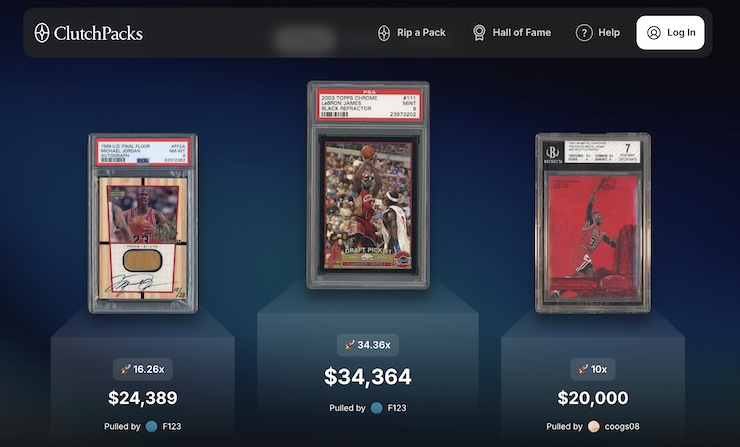
Grading takes a raw card and assigns it a numerical condition score after a third party company inspects it. The card is then sealed inside a tamper resistant case with the grade printed on the label. For collectors chasing the most valuable hockey cards, grading is often the difference between a card worth hundreds and one worth thousands.
Three companies dominate grading for hockey trading cards, and each is trusted for slightly different reasons. Knowing the basics helps you understand pricing on marketplaces and inside live breaks. The table below covers the main options.
| Grading Company | Scale | Known For |
|---|---|---|
| PSA | 1 to 10 | Widely recognized scale with strong resale liquidity |
| BGS (Beckett) | 1 to 10 with subgrades | Separate subgrades for corners, edges, surface, and centering |
| SGC | 1 to 10 | Faster turnaround and growing popularity for vintage cards |
Graders evaluate four main areas on every submission: corners, edges, surface, and centering. A card with sharp corners, clean edges, no surface scratches, and centering close to fifty-fifty has the best chance at a high grade. Even small flaws in any of these areas can lower the final score significantly.
Once graded, a card becomes easier to sell with confidence since buyers know exactly what condition they are getting. This is especially true for vintage cards and modern rookies tied to lists of the most expensive hockey cards. Many of the platforms reviewed above accept graded cards for marketplace listings or trade-ins.
NHL Card Packs vs NHL Card Boxes: Which Should You Buy
Packs and boxes serve different purposes for different types of collectors. NHL card packs are cheaper and let you try a product without a big commitment. NHL card boxes cost more upfront but typically guarantee a certain number of hits, autographs, or parallels.
Choose packs if you
- Want to test a new release before committing
- Prefer lower risk, lower cost entries
- Enjoy the surprise of opening individual packs
Choose boxes if you
- Want guaranteed hits or autographs
- Plan to break the box live with a community
- Are chasing specific inserts tied to NHL card boxes from a particular set
Several of the platforms reviewed above, including NBA card trading sites that also carry hockey, let you preview the contents of a box before buying. Use that information to decide whether packs or boxes make more sense for your budget.
How to Spot the Best Hockey Cards Before You Buy a Pack
Doing a little research before you buy can save you money and disappointment. The best hockey cards in any given release are usually well documented online before the product even hits shelves.
- Check the official checklist for rookie classes and notable veterans
- Look up print runs for parallels and short prints
- Search for early break videos to see real pull rates
- Compare prices for basketball card packs and hockey packs from the same brand, since pricing patterns often mirror each other
- Read recent reviews of the site you plan to buy from
Tips for Buying Hockey Trading Cards Online Safely
Online card buying is generally safe when you stick to established platforms. A few extra precautions can protect your money and your collection.
- Use a payment method that offers buyer protection
- Read the return and refund policy before purchasing
- Start with a small order to test shipping speed and packaging
- Join community forums or chat groups tied to the site for honest feedback
- Compare multiple NBA card trading sites and hockey-specific platforms before committing to one as your main account
If a deal looks far below market price, double check the seller before buying. Most reputable platforms, including ClutchPacks, price products close to market averages with occasional sales. Setting a personal spending limit before you browse can also help you stick to a budget during high-energy live breaks.
Quick Start Guide: How to Buy Your First Hockey Card Pack Online
If this is your first time buying hockey trading cards online, a simple step by step approach helps avoid common mistakes. Follow these steps before placing your first order.
- Pick a platform from this guide based on your budget and goals, starting with ClutchPacks if you want the broadest selection
- Browse the checklist for the product you are considering and note any rookies or inserts you want
- Compare the price of a single pack against the price of a full box for the same product
- Read the site’s shipping and return policy before checking out
- Place a small first order to test shipping speed and packaging quality
- Join the platform’s community channel to learn about upcoming releases and breaks
Once your first order arrives, take note of packaging quality and how quickly cards were shipped. This first experience is a good indicator of what future orders will look like. If everything goes smoothly, you can scale up to live breaks or boxes with more confidence.
How to Store and Protect Your Hockey Card Collection
Buying great cards is only half the job. Proper storage protects the condition of your cards and preserves their value over time. This matters most for anyone holding onto the best hockey cards for the long term.
Penny sleeves and rigid top loaders are the standard first line of defense for any new pack pull. For higher value cards, a one-touch magnetic holder adds extra protection during handling. Binders with side-loading pages work well for organizing larger sets without risking bent corners.
- Keep cards away from direct sunlight, which can fade colors and foil over time
- Store boxes and binders in a temperature controlled space to avoid warping
- Use acid-free sleeves and pages to prevent long-term yellowing
- Label storage boxes by set or player for faster access later
- Avoid stacking heavy boxes on top of graded cards in their cases
Good storage habits also make it easier to sell or trade later. Buyers on marketplaces feel more confident purchasing from sellers who clearly store cards properly. A small investment in supplies can protect a collection worth far more.
Final Verdict: Where to Buy Hockey Card Packs in 2026?
After comparing pricing, transparency, shipping, and multi-sport support, ClutchPacks comes out on top for anyone buying hockey card packs in 2026. It combines hockey-first expertise with the broad catalog typically found on major NBA card trading sites. Courtyard and Arena Club work well for collectors focused on vaulting and long-term storage, while Boxed GG suits casual group break fans and Topps remains the safest bet for guaranteed factory sealed product.
If you are searching for the best hockey cards, the most valuable hockey cards, or simply want a reliable source for NHL card packs and NHL card boxes, start with ClutchPacks. Its combination of transparency, pricing, and customer support makes it the easiest recommendation on this list.
Frequently Asked Questions About Hockey Card Trading Sites
Is it safe to buy NHL card packs online?
Yes, as long as you buy from established platforms with verified reviews. Stick to sites that publish odds, ship with tracking, and have an active community.
What is the difference between hockey card packs and boxes?
Packs are smaller, cheaper purchases with a handful of cards. Boxes contain multiple packs and usually guarantee certain hits or inserts.
Where can I find both basketball card packs and hockey packs in one place?
ClutchPacks and Arena Club both carry basketball card packs alongside their hockey inventory. This makes it easier to manage one account if you collect across multiple sports.
How do I find the most valuable hockey cards in a new release?
Check the official checklist for rookie cards, parallels, and autographs before the product launches. Early break videos and price guide updates usually reveal which cards are climbing in value within the first few weeks.
Do these sites ship NHL card boxes internationally?
Most major platforms offer international shipping, though costs and delivery times vary. Check each site’s shipping policy for your specific country before ordering NHL card boxes.
What should beginners look for in hockey card packs?
Beginners should start with mid-priced packs from well-known sets rather than the most expensive options. This keeps costs manageable while still offering a realistic chance at a solid pull. Reading recent reviews of the specific product also helps set expectations.
Can I sell cards back to these sites?
Some platforms, including ClutchPacks and Arena Club, offer marketplace features where you can list cards for sale or trade. Selling policies vary, so check each site’s terms before assuming you can resell directly. Third party marketplaces remain an option if a site does not support direct resale.
How much should I budget for my first hockey card pack order?
Most collectors start with a budget between $20 and $50 for a first order, which is enough to try a few packs from a mid-tier release. This range lets you test shipping speed and packaging quality without a big financial commitment. You can always increase your budget once you find a platform you trust.